
GLASS FACES THE CHALLENGES OF RESPONSIBLE PACKAGING

Glass, a historic packaging material, is currently undergoing a profound transformation, driven by major environmental, industrial and regulatory challenges. Infinitely recyclable without any loss of quality, it remains a mainstay of the food and beverage industries, while also having to meet ambitious carbon footprint reduction targets.
According to the FEVE: European Container Glass Federation, glass is one of the few packaging materials that operates in a closed loop, with collection and recycling rates increasing across Europe. The federation highlights the goal of achieving 80% glass collection in Europe, a key condition for accelerating the decarbonisation of the industry through the incorporation of cullet:
published by FEVE also confirm the strategic role of glass in the European packaging industry.
Industrial innovation and environmental performance
Although glass has a positive image in terms of recyclability, its manufacture remains energy-intensive. The modernisation of industrial tools is therefore a priority for the sector. Lightening packaging, optimising furnaces, increasing the proportion of cullet and transitioning to less carbon-intensive energy sources are among the main levers activated by glassmakers.
The highlights the direct impact of these measures on reducing CO₂ emissions and energy consumption, particularly through the increased use of recycled glass. It also analyses the gradual return of glass reuse as a complementary solution to recycling, particularly for the beverage industry. Its work on the reuse and deposit-refund system for glass packaging highlights the potential of these models to limit environmental impacts.
Next November, at the ALLFORPACK EMBALLAGES PARIS trade show, these advances will be reflected in the presentation of concrete solutions that combine industrial performance, energy efficiency and adaptation to new regulatory constraints.
Recyclability and the circular economy: balances to be consolidated
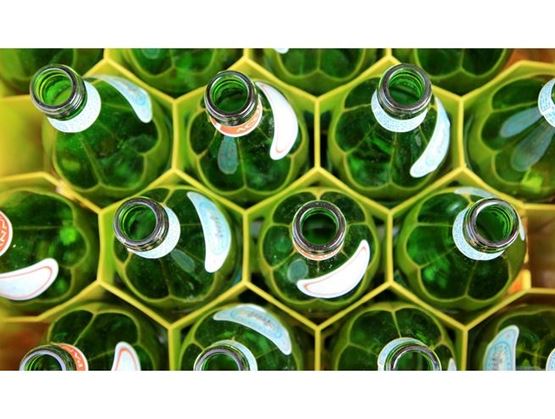
Glass fits naturally into circular economy models thanks to its ability to be recycled 100% and indefinitely. However, this performance depends heavily on the quality of collection and sorting chains. Industry players point out that packaging design plays a decisive role in recycling efficiency, particularly in terms of colours, decorations and standardisation of formats.
As such, glass recycling mechanisms and their impact on the overall carbon footprint of packaging are widely documented by specialised analyses. These issues are now taken into account from the packaging design stage onwards. They require closer collaboration between packaging manufacturers, brands and distributors, a dialogue that ALLFORPACK EMBALLAGES PARIS promotes by bringing all these players together within the same ecosystem.
Logistical constraints and adaptation to industrial uses
Beyond the environmental dimension, glass packaging must meet increasingly stringent logistical constraints. The weight of containers, their mechanical strength and their compatibility with packaging lines directly influence transport costs, storage and flow security. The innovations presented at the show illustrate glass's ability to adapt to contemporary industrial realities while retaining its qualities of protecting and enhancing products.
A direct resonance with the wine and spirits sectors
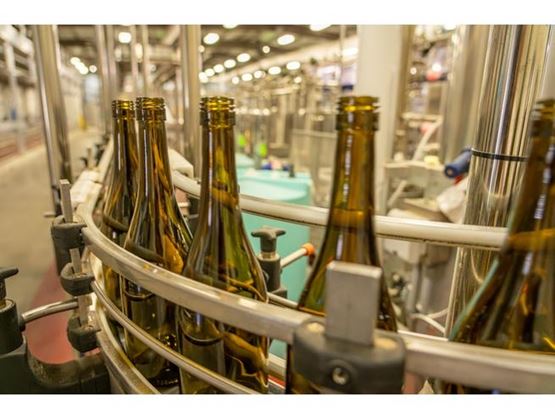
In this global context, glass continues to play a central role in the beverage industry, particularly for wines and spirits, where it remains the material of choice. The issues addressed at ALLFORPACK EMBALLAGES PARIS therefore have a direct resonance with producers and merchants in the wine sector, who are faced with the need to reconcile sustainability, logistical performance and brand image.
This convergence between packaging and downstream industries takes on its full meaning at the Wine Paris trade show, which began on 9 February and will end on 11 February 2026 at Paris Parc Expo - Porte de Versailles.
The innovations and ideas generated by the glass ecosystem provide a strategic foundation for supporting wine producers in their packaging choices at a time when environmental responsibility and international competitiveness are becoming inseparable.
To learn more about these innovations and meet industry professionals, visit the packaging experts at the ALLFORPACK EMBALLAGE PARIS trade show from 24 to 26 November 2026 at Paris Nord Villepinte
Image credits:
Mark Stebinki - Pexels
AR-Unsplash
Lacey Williams - Unsplash