
WEBINAR 31 MARCH: WHICH PLASTIC PACKAGING FOR TOMORROW?

The objective is clear: drastically reduce the use of single-use plastics by 2040, while encouraging more sustainable solutions.
However, in many industrial sectors, particularly food, logistics and cosmetics, plastic remains a material that is difficult to replace. Its light weight, strength and product preservation performance still make it a central part of the packaging chain today.
The question is therefore no longer simply whether plastic should be eliminated, but rather how it can be reinvented.
This is precisely what Webinar #11, organised on 31 March from 10 a.m. to 11 a.m. as part of ALLFORPACK EMBALLAGE PARIS 2026, will explore, bringing together several industry experts to analyse current developments.
- Chantal de Lamotte, Show Director (ALLFORPACK EMBALLAGE PARIS)
- Agnès Jacquot, CSR and Communication Director (Sources Alma)
- Arnaud Revel, Operations Director (USEO)
- Vincent Colard, Recycling and Resources Director (CITEO)
Plastic packaging: how regulation is reshaping companies’ packaging strategies
Beyond consumer expectations, the main driver of change in the packaging industry today is regulatory.
In France, the AGEC law (Anti-Waste for a Circular Economy) marked an important step by setting ambitious targets to reduce single-use plastics. At European level, a new framework is emerging with the PPWR regulation (Packaging and Packaging Waste Regulation), which aims to harmonise packaging rules across the European Union. Among the key measures is the ban on packaging materials that do not have recycling streams. So materials that may appear more environmentally friendly, such as composite packaging or plastic-coated cardboard, may ultimately be replaced by mono-material plastic solutions that are easier to recycle.
These regulatory developments therefore do not simply mean reducing the use of plastic materials in packaging processes. They introduce a broader approach aimed at promoting:
- packaging recyclability;
- the development of reuse;
- the integration of recycled materials;
- the overall reduction of packaging waste.
These new approaches, and the challenges they create, will be at the heart of the webinar on 31 March.
Eco-design in packaging, a strategic lever for companies
In response to these regulatory developments, it is more necessary than ever for manufacturers to place eco-design at the heart of their packaging strategies. This means rethinking products from the design stage in order to make recycling or reuse easier.
But innovation is not limited to materials. It also includes:
- reducing packaging weight;
- integrating recycled plastic;
- designing reusable packaging;
- standardising formats;
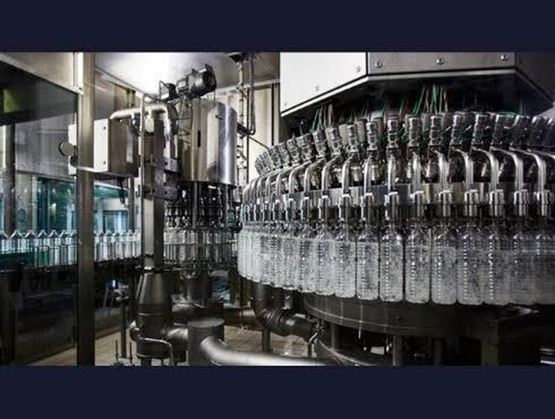
These approaches help reduce environmental impact while maintaining the technical performance required by industry. One of the most compelling examples, which will be at the heart of the 31 March webinar through the testimony of Agnès Jacquot, is that of Sources Alma. Beyond simply changing the packaging materials used for its bottles, the company has chosen to invest across the entire recycling and reuse value chain. This strategy now enables it to produce PET bottles that are among the lightest on the market, containing less than 20 grams of plastic for a 1.5-litre bottle.
Usage at the heart of packaging material choices
While regulatory developments are changing the landscape, they are also prompting professionals to rethink their approach. When it comes to packaging, the question is no longer “Plastic or no plastic?”, but rather “Which materials should be prioritised for my packaging use?”. This is the view defended by Arnaud Revel (USEO), who will revisit, during the ALLFORPACK EMBALLAGE PARIS webinar dedicated to plastic packaging, a major transformation project: the shift to reusable tableware for major fast-food chains. In particular, he will explain how the uses associated with this new tableware led brands to turn to new technical materials such as Tritan, and how the standardisation of the offer helped make this solution practical and scalable for industrial use.