
PLASTIC AND NEW REGULATIONS IN PACKAGING

Plastic, a key material in modern packaging
Plastic is ubiquitous in packaging across the food, pharmaceutical, cosmetics and logistics sectors. It helps ensure product protection, extend shelf life and optimise transport thanks to its light weight.
However, the growing volumes of plastic waste and the limitations of current recycling systems have placed the material at the centre of public and industrial debates. As a result, questions now go beyond its use alone, focusing instead on its design, recyclability and integration into a circular economy approach.
Plastic packaging: a strengthened European regulatory framework
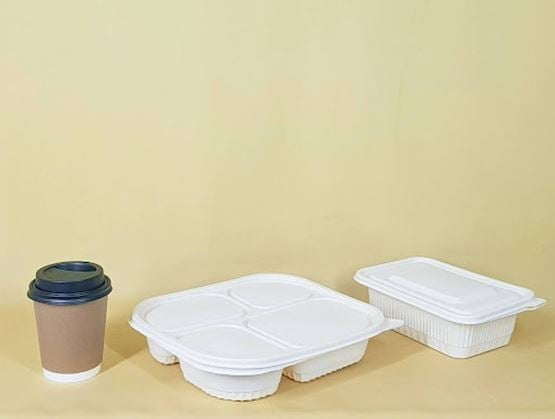
The regulatory landscape is currently dominated by the adoption of the European PPWR (Packaging and Packaging Waste Regulation), officially Regulation (EU) 2025/40. This text gradually replaces the previous Packaging Directive and establishes a harmonised framework across the European Union.
Among the main measures:
-
All packaging must be recyclable by 2030
-
Introduction of mandatory recycled content quotas for certain plastic applications
-
Reduction of unnecessary packaging and development of reuse
-
Harmonisation of design criteria to facilitate recyclability
In France, the AGEC Law (Anti-Waste for a Circular Economy) also provides for the gradual phase-out of single-use plastics by 2040, with interim targets set in five-year periods.
These developments are compelling manufacturers to rethink their strategies: eco-design, resin selection, integration of recycled materials and adaptation of production lines are becoming priorities.
Recycling plastic packaging: between pressures and innovation
Plastic packaging recycling is progressing in Europe, but it continues to face several challenges: heterogeneous waste streams, the competitiveness of virgin plastic and the economic fragility of certain recycling sectors. According to the European Parliament, a significant share of plastic waste remains insufficiently recycled, despite improvements in recent years.
In response to these limitations, chemical recycling is attracting growing interest. This technology makes it possible to process complex or contaminated plastics that are difficult to recycle mechanically, and could help meet the recycled content targets set by the PPWR.
Alternatives and material innovation
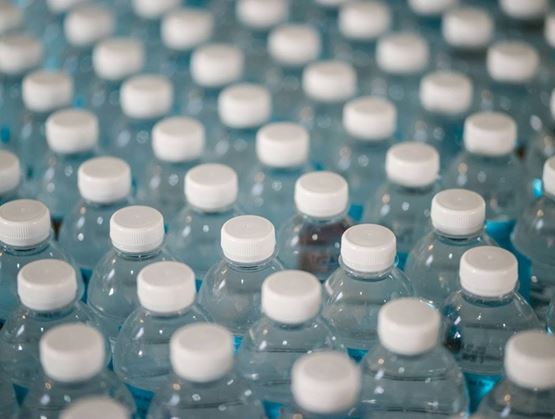
As alternatives to traditional plastic packaging, the industry is exploring other solutions better suited to the ecological transition: bioplastics, bio-based polymers, as well as mono-material packaging that facilitates recycling, and solutions integrating reuse models.
The challenge is not necessarily the disappearance of plastic, but its evolution towards more sustainable formulations, improved recyclability and integration into efficient circular loops.
ALLFORPACK EMBALLAGE PARIS: a strategic observatory for plastic packaging
In this context of rapid transformation, ALLFORPACK EMBALLAGE PARIS brings together the entire plastic packaging value chain: resin producers, converters, machine manufacturers, recyclers, regulatory experts and circular economy stakeholders.
The trade show enables participants to:
-
Identify innovations in recyclable plastics and recycled content
-
Understand the concrete impacts of the PPWR on packaging design
-
Discover sorting, recycling and recovery technologies
-
Exchange on eco-design strategies
-
Anticipate developments in the European market
In an environment where regulatory compliance is becoming a strategic lever, the exhibition provides a platform for dialogue between industry players, institutions and experts.
Plastic remains a central material in packaging, but its future depends on its ability to fit within a circular model aligned with European requirements. Between strengthened regulation, technological innovation and the transformation of business models, the sector is reorganising.
ALLFORPACK EMBALLAGE PARIS is a key meeting point to understand these developments, share best practices and build the solutions of tomorrow.
Image credits: Elena Rabkina, Jonathan Chng, Wander Fleur – Unsplash